Audience-funded nonprofit news



Next Up:
0:00
0:00


-
Listen Listen
Climate & Environment

At the height of the Los Angeles fires in 2025, millions of residents were exposed to toxic lead levels from smoke that were 80 times higher than the typical background level.


Support your source for local news!
In case you missed it
-
 Person with ‘history of sleeping on the job’ held critical role during Eaton Fire, complaint allegesAn L.A. County employee makes the allegation in a whistleblower complaint and in interviews about the response to the deadly fire. County officials dispute the allegations.Listen 29:16
-
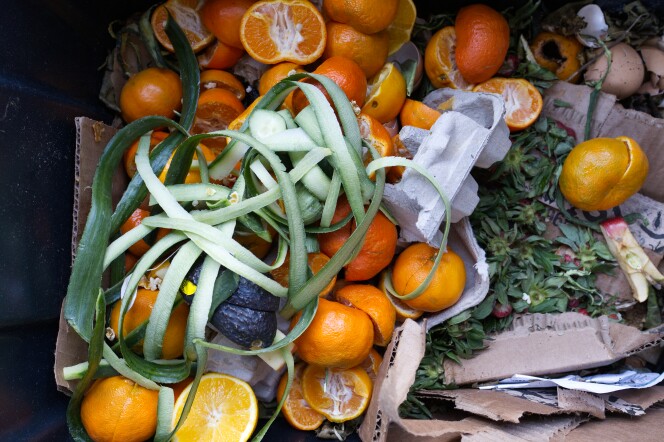 Ready to give up backyard composting because it's too difficult? It may surprise you to learn that prolific (and kind-of-cute) black soldier fly larvae could be the answer.Listen 3:58
-
 Hear from fire survivors, read stories of resilience and and get helpful resources to mark the anniversary of the January 2025 L.A. fires.


Sponsored message
More Stories
-
The Theodore Payne Foundation Wild Flower Hotline celebrates its 40th year, providing weekly updates on California’s beautiful blooms.

-
The eastern Sierra Nevada, which supplies much of the Southland's water, has benefitted the most from recent storms, but that doesn't mean conservation rules will end.

-
One resident has resorted to pitching a tent inside her home where indoor temperatures were in the 40s and power was still sporadic.

-
The official Twitter account of Mount Baldy Resort has reported “multiple life threatening avalanches”

-
It’s going to be tempting to sit on the couch and binge watch literally everything. Try not to.

-
California sends toxic soil to landfills in Utah and Arizona, including sites near Native American reservations. Will lawmakers step in to keep the waste in state?

-
The latest on conditions as another, weaker winter storm moves through Southern California.

-
This weekend's rampant snowfall left mountain communities stranded as cleanup crews work around the clock to free up the major roadways.

-
The difference between Feb. 10 and Feb. 26 is quite startling.

-
Not all of this rain goes to the ocean, but increasingly unpredictable and intense storms driven by climate change are making stormwater capture more difficult.


