Audience-funded nonprofit news



Next Up:
0:00
0:00


-
Listen Listen
Climate & Environment

Forecasters aren't sure exactly how much rain will fall this weekend, but it's safe to say that Southern California trick-or-treaters should expect some.
Listen
0:40


Support your source for local news!
In case you missed it
-
 Person with ‘history of sleeping on the job’ held critical role during Eaton Fire, complaint allegesAn L.A. County employee makes the allegation in a whistleblower complaint and in interviews about the response to the deadly fire. County officials dispute the allegations.Listen 29:16
-
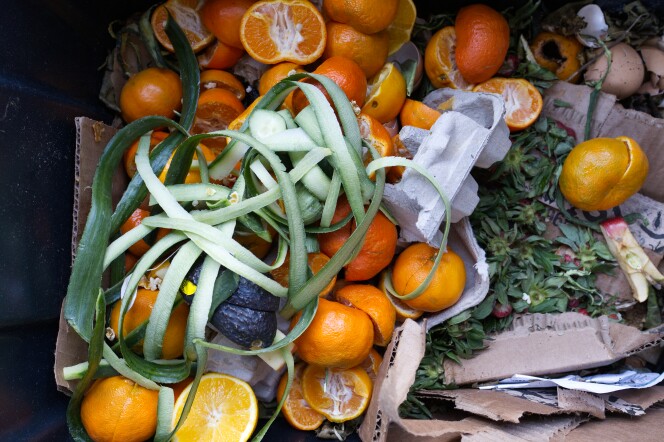 Ready to give up backyard composting because it's too difficult? It may surprise you to learn that prolific (and kind-of-cute) black soldier fly larvae could be the answer.Listen 3:58
-
 Hear from fire survivors, read stories of resilience and and get helpful resources to mark the anniversary of the January 2025 L.A. fires.


Sponsored message
More Stories
-
The storm was significant, but the wet trend will need to continue to curb the three-year drought.

-
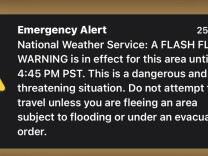
The mass alert was an error, but the flash flood warning is still real for Duarte residents.
-
Experts expect the most rain Tuesday afternoon and evening, with the possibility of thunderstorms and flash flooding in recently burned areas.

-
The public's response and a dramatic expansion in solar energy battery storage helped significantly.

-
In a new study, researchers found that deer-vehicle collisions peaked in October and November, partly due to both daylight saving time and deer mating season.

-
High bacteria levels and a number of popular beaches, plus rain, means health official are urging us to stay dry.

-
Using new modeling techniques, researchers at UC Irvine looked at what they call megacities such as L.A. to determine which residents would be most at risk should a flood occur.

-
We can expect up to a quarter-inch of rain in some areas — and up to two inches of snow in the mountains.

-
New gas and diesel trucks would be banned by 2040 and large companies and government fleets would have to phase them out over time.

-
Collectively, countries have promised to reduce heat-trapping emissions by about 3% by 2030, compared to 2020 levels. That's far from the 45% drop that's needed.


