Audience-funded nonprofit news



Next Up:
0:00
0:00


-
Listen Listen
Climate & Environment

The county offers the service to people who live in areas at high risk for mudflows. I got some useful tips and peace of mind too.
Listen
3:39


Support your source for local news!
In case you missed it
-
 Person with ‘history of sleeping on the job’ held critical role during Eaton Fire, complaint allegesAn L.A. County employee makes the allegation in a whistleblower complaint and in interviews about the response to the deadly fire. County officials dispute the allegations.Listen 29:16
 -
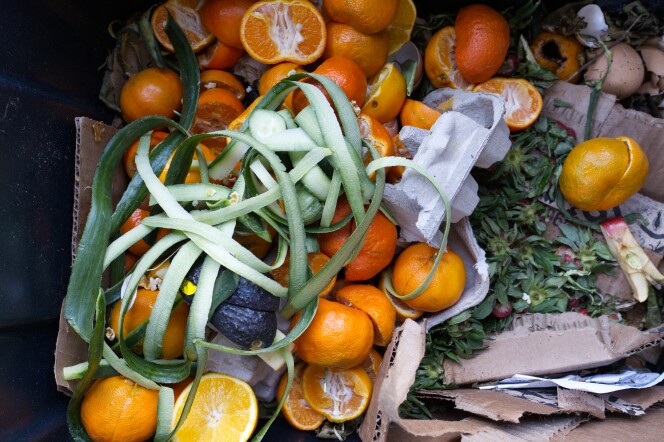 Ready to give up backyard composting because it's too difficult? It may surprise you to learn that prolific (and kind-of-cute) black soldier fly larvae could be the answer.Listen 3:58
 -
 Hear from fire survivors, read stories of resilience and and get helpful resources to mark the anniversary of the January 2025 L.A. fires.


Sponsored message
More Stories
-
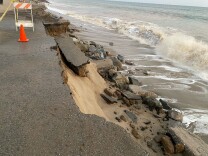
The county is looking into ways to preserve its beaches from coastal erosion, including planting native vegetation on sand dunes and transporting sediment from reservoirs downstream to beaches.
-
The proposal, currently under review by the state Department of Fish and Wildlife, calls for the use of sharpshooters in helicopters.

-
The National Weather Service forecasts a storm to come in the middle of next week.

-
The National Weather Service has issued a red flag warning for parts of northern L.A. County.

-
The National Weather Service has issued a fire weather watch for parts of northern Los Angeles and Ventura counties.

-
We're moving into another Santa Ana wind event that's forecasted to start Wednesday afternoon.

-
The guy caught on video carrying a parrot was interviewed by law enforcement — and it wasn't him.

-
The closure is in effect until Tuesday afternoon.

-
Towns across the U.S. want to stop building homes that are vulnerable to climate-driven disasters, like wildfires, floods and droughts. It's easier said than done.Listen 4:23

-
This week will see a drop of temperatures, but another Santa Ana event is in the forecast for later this week.


