




One year ago, Congress defunded public media. Now that we're 100% community funded, please become a sustaining member or increase your existing membership today.
Costa Mesa launches street medicine program


The Costa Mesa Civic Center skyline.
(
MattGush/iStock
/
iStockphoto
)
Topline:
Costa Mesa is launching its first street medicine program, which aims to treat the medical needs of unhoused people by meeting them where they are.
Why it matters: Officials said they had identified 150 unhoused people living in Costa Mesa who could benefit from the street medicine program, which will be run by CalOptima Health and local nonprofit Celebrating Life.
“The goal is to get people housed, but along the way, to take care of their significant health needs,” Orange County Supervisor Katrina Foley said at a news conference this week.
The context: Orange County’s latest homelessness count found the unhoused population rose 28% since the last count in 2022.
The backstory: A representative with CalOptima Health said a similar program that launched about a year-and-a-half ago in nearby Garden Grove had served some 315 unhoused people, with 12 finding permanent housing.
The Costa Mesa street medicine program, which launches this month, will be the second such program offering medical care to unhoused people in Orange County.
In a report published last year, researchers from the Keck School of Medicine identified 25 street medicine programs across California. The majority of those programs were located in Los Angeles County and the San Francisco Bay Area.
Sponsored message
Go deeper: Homelessness In OC
Trending on LAist
-
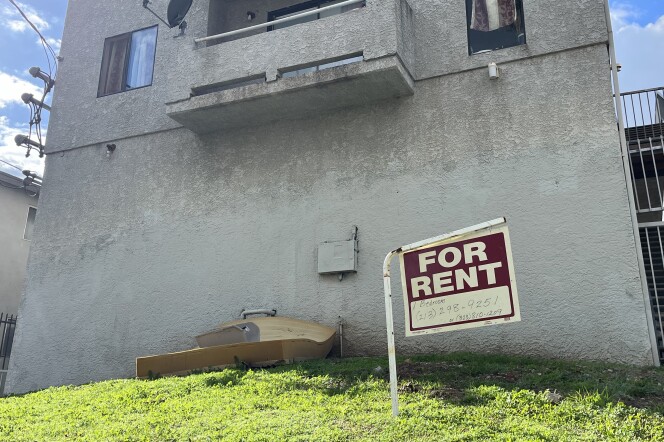 Recent rulings have struck down requirements in L.A. and Pasadena for landlords to pay thousands of dollars to tenants who couldn’t afford large rent hikes.
-
 Organizers and the city say plans for the Venice World Cup event were rushed after the original organizer pulled out.
-
 Dramatic footage online showed water rushing down streets and cars slamming into each other.
-
 A city spokesperson says the program aims to reduce bike lane blocking and maintain safe streets.
-
 New data from USC finds that about 5% of L.A. County residents have used Waymos in the last year — a much lower rate than Uber and Lyft.
-
 Online comments border on hate, with many based on cultural clichés and stereotypes. They touch open cultural wounds for some Argentine Americans


Best of LAist


