Audience-funded nonprofit news



Next Up:
0:00
0:00


-
Listen Listen
Climate & Environment

High tides later in the year could mean even more flooding conditions for coastal residents and infrastructure that have already been inundated.
Listen
0:45


Support your source for local news!
In case you missed it
-
 Person with ‘history of sleeping on the job’ held critical role during Eaton Fire, complaint allegesAn L.A. County employee makes the allegation in a whistleblower complaint and in interviews about the response to the deadly fire. County officials dispute the allegations.Listen 29:16
-
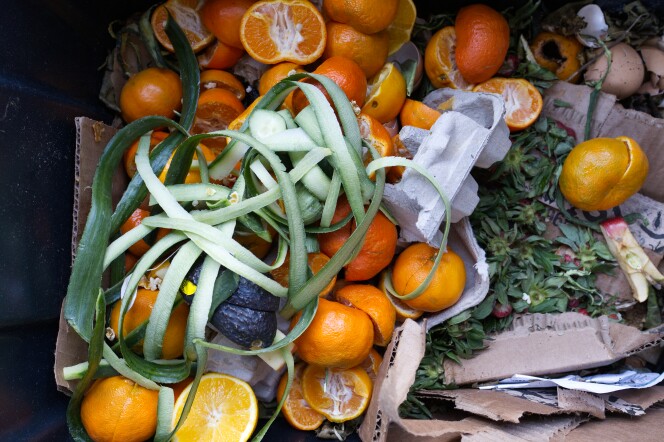 Ready to give up backyard composting because it's too difficult? It may surprise you to learn that prolific (and kind-of-cute) black soldier fly larvae could be the answer.Listen 3:58
-
 Hear from fire survivors, read stories of resilience and and get helpful resources to mark the anniversary of the January 2025 L.A. fires.


Sponsored message
More Stories
-
The advisory was a result of a volcanic explosion underwater near Tonga.

-
The department overseeing the cleanup plans to clear another 2,700 properties by March 2025.

-
Regulators require residents to report an odor and wait for an inspector every time they smell it.

-
In the fight against climate change, California’s rooftop solar incentive program has been a success. It’s gotten panels on more than a million roofs and cut costs for consumers. But now, the state is likely to cut those incentives.

-
The world's largest wildlife crossing, the proposed Liberty Canyon Wildlife Corridor in Agoura Hills, is set for a spring groundbreaking and may receive ten million dollars in new funding from the state of California.

-
Small quake rattles residents near Lomita.

-
And we're loving all the photos being shared.

-
Starting as soon as January 15, the state will adopt rules that restrict how we use drinkable water. Californians could face fines for things like hosing down driveways or watering grass within two days of rainfall.

-
Seventeen million gallons of raw sewage flowed into Santa Monica Bay last July.

-
California issued emergency drought rules today aimed at wasteful water use. Although snowpack is 150% of average today, climatologists predict dry conditions for the rest of the season. And conservation still lags.


