Audience-funded nonprofit news



Next Up:
0:00
0:00


-
Listen Listen
Climate & Environment

At the height of the Los Angeles fires in 2025, millions of residents were exposed to toxic lead levels from smoke that were 80 times higher than the typical background level.


Support your source for local news!
In case you missed it
-
 Person with ‘history of sleeping on the job’ held critical role during Eaton Fire, complaint allegesAn L.A. County employee makes the allegation in a whistleblower complaint and in interviews about the response to the deadly fire. County officials dispute the allegations.Listen 29:16
-
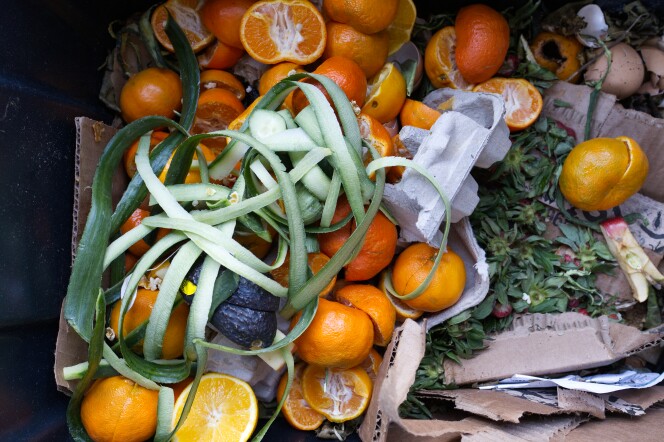 Ready to give up backyard composting because it's too difficult? It may surprise you to learn that prolific (and kind-of-cute) black soldier fly larvae could be the answer.Listen 3:58
-
 Hear from fire survivors, read stories of resilience and and get helpful resources to mark the anniversary of the January 2025 L.A. fires.


Sponsored message
More Stories
-
One of the options would override California’s water rights and split the cuts evenly between California, Nevada and Arizona — which would be a big blow to Imperial Valley farmers.

-
The once massive lake has seen a once-in-a-generation return and it's threatening to flood its namesake operation.

-
After all the recent rain, officials are predicting lots and lots of mosquitoes — and empty pools with standing rainwater are an ideal breeding ground. Here’s what to do about yours.

-
An onslaught of velella velella washed up on shore this weekend on Southern California beaches. The blue jellyfish-like creatures were swept by the winds of California's recent storms.

-
The fog cleared out of the area by late morning.

-
Who knows when we'll see such vibrance again in this recently drought-choked land?

-
It's glorious grunion run season, which means thousands of small, silver fish take to California beaches to mate.

-
California won’t stay wet forever, but remember — we do need fire.

-
If you don't know what to wear today before leaving your house...we got you covered.

-
The unknown snailfish species, of the genus Pseudoliparis, was recorded swimming in the Izu-Ogasawara Trench near Japan at a depth of 8,336 meters — or more than 27,000 feet down.


