




This story is free to read because readers choose to support LAist. If you find value in independent local reporting, make a donation to power our newsroom today.
California Promises Better Care For Thousands of Inmates As They Leave Prison

A guard tower at Kern Valley State Prison
(
David McNew/Getty Images
/
Getty Images North America
)
California has agreed to improve health care for newly released prison inmates who are disabled, including through a series of measures that advocates say will help almost everyone trying to make the transition from incarceration.
Attorneys representing inmates say proper care during the transition from prison has long been lacking and can lead to homelessness. A recent study found that 1 in 5 Californians experiencing homelessness came from an institution such as prison or jail.
The state agreed in June to release inmates with a 60-day supply of their prescription medications, up from the previous 30-day requirement, and promised to replace medical equipment lost within the first month of an inmate’s being released from prison. Officials will also submit applications for Medi-Cal, California’s version of Medicaid, on their behalf at least 90 days before they’re discharged.
The agreement will benefit at least 11,000 parolees who have physical, developmental, or mental health disabilities, or nearly a third of the state’s 36,000 parolees, inmates’ attorneys estimated. But many of the provisions will aid most inmates being released, even those without a qualifying disability.
The improvements “should help shut the revolving door between homelessness and incarceration that prevents far too many people with disabilities from succeeding on parole and reintegrating into the community,” said attorney Ben Bien-Kahn, one of the lead negotiators on behalf of inmates.
California corrections officials declined comment.
Sponsored message
Trending on LAist
-
 A new study finds promising early results from a program that tries to find and assist those most at risk of becoming unhoused.
 -
 The L.A. Fire Department said the tunnel workers had been isolated by a "collapse" in an industrial tunnel for a wastewater treatment facility in the Harbor-area neighborhood of Wilmington.
 -
 An analysis of videos capturing ICE enforcement across L.A.
 -
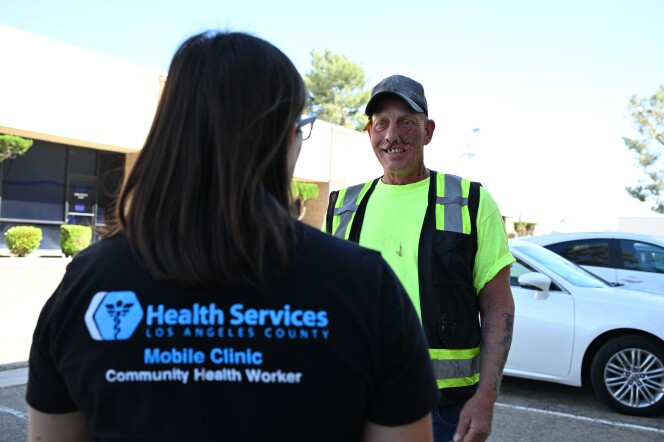 The program started last year. It's one of the only treatment options available for unhoused Angelenos addicted to stimulants, including methamphetamine, experts say.
 -
 People living in the West L.A. community requested the cameras because of recent home burglaries and calls for more safety measures.
 -
 Local officials say the display was an overreach by the federal government.


Best of LAist


