Audience-funded nonprofit news



Next Up:
0:00
0:00


-
Listen Listen
Pushed Out: LA's Unhoused Women
We are exploring why domestic or intimate partner violence is the biggest reason women experience homelessness in L.A. County.
Read The Stories
-
 More than 50% of unhoused women are survivors of domestic violence.
 -
 Power over resources is another form of domestic abuse.
 -
 Domestic violence is the leading cause of women becoming unhoused. But it's rarely included in homelessness policy.
 -
 We reached out to local service providers for suggestions. Here are the resources they shared. If it is an emergency, call 911.
 -
 We answer questions you may have about our approach to reporting "Pushed Out: How Domestic Violence Became The No. 1 Cause of Women's Homelessness in LA


We Want To Hear From You
Listen
Listen
4:27
How The Social Services System Pushes Domestic Violence Survivors Toward Homelessness
Listen
5:00
How Domestic Violence Pushed One Woman Into Homelessness
Listen
4:47
Pushed Out: Nikki's Story of Domestic Violence and Homelessness
More On Unhoused Communities
-
 With permanent housing options scarce, more people are staying for longer in beds meant for temporary stays.
 -
 Local housing advocates expect demand to be higher than ever. Here’s what you need to know in order to apply.
 -
 Important caveat: Accepting a reusable tenant screening is voluntary.
 -
 An L.A. City Council committee failed to agree on how to wind down pandemic-era protections for renters. Here’s what happens next.
 -
 After Dec. 31, many renters in L.A. County will no longer be protected from eviction for non-payment of rent.
 -
 The settlement closes a federal lawsuit filed more than two years ago by the LA Alliance for Human Rights.
 -
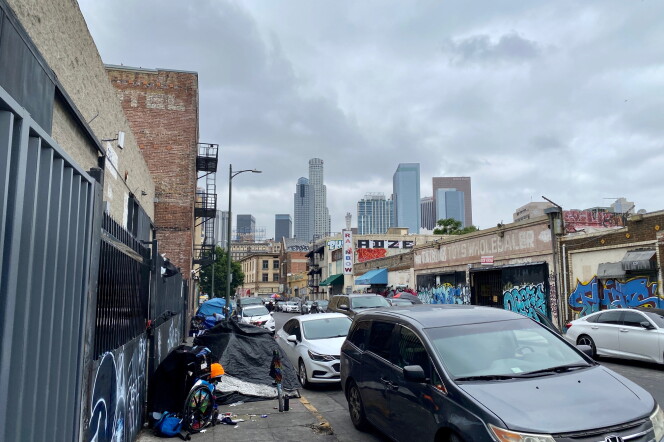 The prevalence of unhoused Angelenos identifying as Latino has grown 26% in the last two years. Here’s what’s driving the increase.
 -
 In L.A.’s first homeless count during the pandemic, the numbers are still going up. But officials say there’s a “flattening of the curve.”
 -
 Despite COVID rent freezes, tenants still get demands from landlords to pay more. Whether they can fight back depends on where they live.
 -
 The company says it hopes to help Black and Latino borrowers buy houses and build wealth with its new pilot program. Experts say it's a start, but doesn't go far enough.


