




-
Listen Listen

Jacob Margolis
What I cover
I cover science, with a focus on environmental stories and disasters, as well as investigations and accountability.
My background
I created, wrote and hosted the LAist Studios podcasts, The Big One: Your Survival Guide and The Big Burn: How To Survive In The Age of Wildfires. I was part of the team that won the 2021 Investigative Reporters and Editors Audio Journalism Award for the series "Hot Days: Heat’s Mounting Death Toll On Workers In The U.S. "Most recently, I’ve published investigations into large scale illegal dumping in L.A. County and previously unreported heavy metal concentrations in fire retardants.
My goals
To uncover how science, policy, and power intersect — so people have the information they need to hold decision-makers accountable and protect their communities.
Best way to reach me
You can reach me by email: jmargolis@laist.com. Or for encrypted communications, I'm on Signal: @jacobmargolis.1.
Stories by Jacob Margolis
-
We want to hear your stories about living in the age of wildfires. If you share it with us, you might be featured on an upcoming episode of our new podcast, The Big Burn.

-
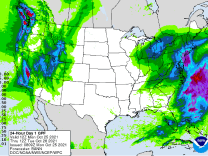
Northern California saw snow!
-
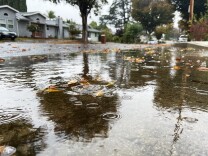
Forecasters are warning Southern Californians to watch out for water on roadways and minor debris flows in areas that have recently burned.
-
If you live near a steep, mountainous area that’s burned some time in the past few years, you need to prepare for debris flows when it rains.

-
It could happen at any time.

-
Starting Wednesday, a series of three atmospheric rivers is set to make landfall over Northern California.

-
This might mean more bad news for California’s drought.

-
These are the types of winds that make fires quite hard to stop.

-
The damage could take 10 or more years to fully restore.

-
How has wildlife been impacted? What caused the spill?

-
The brief respite from hellish weather was lovely, wasn’t it?

-
It only took one hour for 150 lightning strikes to hit the ground Thursday night in the San Gabriel Mountains.


