




One year ago, Congress defunded public media. Now that we're 100% community funded, please become a sustaining member or increase your existing membership today.
Year In Review: Legislators Respond To Hot Labor Summer, Crime Concerns

State senators participate in the final session of the year at the state Capitol in Sacramento on Sept. 14, 2023.
(
Rahul Lal for CalMatters
)
The 2023 Legislature returned to close to normal after three years under the ups and downs of the pandemic, and after a 2022 election that brought turnover and the most diverse membership ever.
But it faced a different challenge: After two years of record budget surpluses, it had to navigate a $30 billion deficit, with more choppy financial waters ahead.
Another big change: In June, Assemblymember Robert Rivas, a Democrat from Salinas, took over as speaker from Lakewood Democrat Anthony Rendon in a peaceful transfer of power following an attempted mutiny by some members last year.
The leadership shift didn’t significantly impact the Legislative agenda. More so, lawmakers responded to rising public concern about crime, continued worry about homelessness and housing and the “hot labor summer” of union activism.
On crime, legislators passed a package of bills addressing the fentanyl crisis, which has claimed more than 6,000 lives in California this year, though not the tougher sentences sought by Republicans.
But after an initial partisan standoff, the Legislature came together — with some pressure from the governor and new Speaker Rivas– to pass a bill by Bakersfield Republican Sen. Shannon Grove that imposes harsher penalties for child sex trafficking, which some members opposed due to concerns that victims might be punished.
Sponsored message
On housing, legislators approved two key bills to spur more production and gave renters a little more power. They signed off on Gov. Gavin Newsom’s plan to overhaul mental health care, and acceded to his wishes for a related proposition to have the March 5 ballot all to itself.
On labor, the Legislature passed some key bills signed into law, including one to expand the number of paid sick days from three to five a year and another, after many years of failed attempts, to allow legislative staff to unionize. The Democratic majority also gave its blessing to a deal between unions and the fast food industry to increase the minimum wage for workers and another pact that increases pay for the lowest-paid health care workers.
But other labor bills didn’t get the stamp of approval from the governor, including one that would have allowed striking workers to get unemployment benefits.
In all, the Legislature passed 1,046 bills this year — down 120 from last session. Gov. Newsom signed 890 into law.

Major issues for 2024: After failing to address the home insurance crisis — companies pulling policies due to wildfire and other costs affected by climate change — the Legislature will pick that back up next session. Crime will also be at the top of the priority list: Assembly Speaker Robert Rivas has formed a select committee on retail theft, and Sen. Scott Wiener announced a bill to crack down on car thefts. Other big, continuing issues: the fentanyl crisis, housing and homelessness.
Trending on LAist
-
 Tickets from the Sept. 22 grand opening through the end of next February were up for grabs as of Tuesday.
 -
 Populations of two disease-carrying mosquito species are concerning public health officials, who are employing new strategies to reduce their populations.
 -
 The inaugural event kicks off Friday, July 24. The crawl includes stores from Pasadena to Santa Monica, from Montrose to Manhattan Beach.
 -
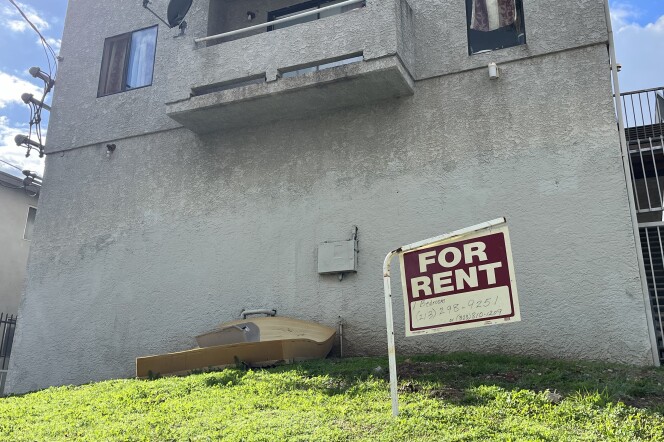 Recent rulings have struck down requirements in L.A. and Pasadena for landlords to pay thousands of dollars to tenants who couldn’t afford large rent hikes.
 -
 Organizers and the city say plans for the Venice World Cup event were rushed after the original organizer pulled out.
 -
 Dramatic footage online showed water rushing down streets and cars slamming into each other.


Best of LAist


