Audience-funded nonprofit news



Next Up:
0:00
0:00


-
Listen Listen
-
Listen Listen
Early Childhood Education

In Los Angeles County alone, there are about 9,000 licensed early care and education providers. Here's how to get started with understanding your options.


-
Parents and maternal health advocates share advice for expecting parents, from listening to grandmas to making your voice heard.

-
An organized bus tour takes Black pregnant people to hospitals and clinics around Los Angeles to help them make informed decisions about their healthcare.

-
There’s a shortage of early childhood educators across the country. To help, Los Angeles County is training parents who have their kids in Head Start to become teachers themselves.

-
Few babies and toddlers were enrolled in early childhood development programs, which experts say can stem the negative effects of homelessness.

-
Starting next year, California will set up trust funds for kids in low-income families who lost a parent to COVID. The state doesn’t know who all those kids are, though.

-
Clocks spring forward on Sunday, meaning we'll lose an hour of sleep. Here are some tips for parents of young kids to help them adjust.

-
Bow Wizzle, voiced by rapper Snoop Dogg, teaches kids how to breathe through stress in his children's animated series on YouTube.

-
New legislation would require hospitals to report implicit bias training compliance each year.

-
New parents and pregnant Californians can now request the support of a doula through Medi-Cal, but for the program to succeed, the state needs to attract more birthworkers to the program.

-
As of 2023, people who get health insurance through Medi-Cal can get doula support for free. One problem: Most doulas have yet to enroll as providers.


Support trustworthy childhood education coverage

The report by the National Institute for Early Education Research found California met 3 out of 10 quality benchmarks for transitional kindergarten.


Sponsored message
More Stories
-
The order aims to eliminate red tape for childcare centers looking to relocate temporarily.

-
Governor Newsom allowed reimbursements for impacted providers for 30 days. Will he extend them?

-
Drawing, playing and make-believe are tools children can use to comprehend the disruption of the past month.

-
Childcare providers say they know that their work is critical to allowing families to find new housing or return to work. But they're also trying to figure out how they themselves will recover, or stay afloat at all.

-
Wildfire smoke causes particularly dangerous air quality, especially for sensitive groups including children and pregnant people.

-
Starting in January, California will increase leave payments for workers caring for a new child or a sick family member.

-
The finding is among several in Orange County's "Conditions of Children" report identifying youth and maternal health disparities.

-
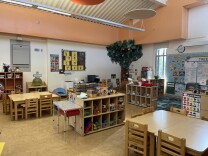
The program is aimed at serving low-income families, but the district is opening it up to other families because of low enrollment.
-
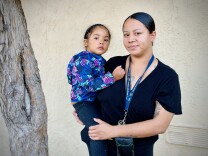
Families in crisis have to knock on multiple doors to find services, often getting turned away before they can find help. In South L.A., 42 organizations are working together to make sure families are taken care of.
-
Kids might not be the most efficient sous chefs, but having them be part of the kitchen can be an enriching learning experience to learn about family traditions.

-
California families spent an average of nearly $20,000 on infant care in 2021. How could a second Trump presidency affect early education and family leave?

-
Many Americans are feeling stressed about the elections and that anxiety can transfer to kids.


