Audience-funded nonprofit news



Next Up:
0:00
0:00


-
Listen Listen
-
Listen Listen
Early Childhood Education

More fathers than mothers are applying for paid family leave benefits to bond with a new child in California from when the program first started more than 20 years ago.


-
After criticism of how California rolls out education programs, a new bill would trigger evaluationsAn LAist story found that the state has spent billions on the implementation of a brand new grade, transitional kindergarten, without a formal mechanism to evaluate it.

-
A new study from UC Irvine finds using a tablet or TV to distract children can lead to more behavior problems down the line.

-
The report by the National Institute for Early Education Research found California met 3 out of 10 quality benchmarks for transitional kindergarten.

-
Teachers with the Los Angeles Unified School District will get four weeks of paid parental leave under terms of a new contract.

-
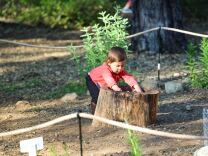
California Botanic Garden opens Children’s Woodland, a free-form nature play space that emphasizes connections to native plants.
-
Under the new law that went into effect this year, childcare providers are barred from asking about a child's or family member’s immigration status.

-
Officials say the change will affect an estimated 23,000 people in Los Angeles County.

-
The state has a program for self-employed workers and small business owners, but workers don’t always know to opt in.

-
Experts say play can be key in helping children through big feelings.

-
In 2025, the state increased payments for people who took time off to care for a child or a family member.


Support trustworthy childhood education coverage

First 5 Orange County was recently awarded $75,000 from O.C. Supervisor Vicente Sarmiento.


Sponsored message
More Stories
-
Almost two months after the L.A. fires, some childcare providers who lost their homes and businesses say they're not able to access the aid they've been told to apply for.

-
Two years after Medi-Cal expanded to cover doulas, some say it's a fight to get reimbursed for their services.

-
With fire relief money now lapsed, Gov. Newsom has ordered the state to reach out to providers to take them through what other benefits might be available to them.

-
Child care programs could be 'on the brink' due to funding delays.

-
The order aims to eliminate red tape for childcare centers looking to relocate temporarily.

-
Governor Newsom allowed reimbursements for impacted providers for 30 days. Will he extend them?

-
Drawing, playing and make-believe are tools children can use to comprehend the disruption of the past month.

-
Childcare providers say they know that their work is critical to allowing families to find new housing or return to work. But they're also trying to figure out how they themselves will recover, or stay afloat at all.

-
Wildfire smoke causes particularly dangerous air quality, especially for sensitive groups including children and pregnant people.

-
Starting in January, California will increase leave payments for workers caring for a new child or a sick family member.

-
The finding is among several in Orange County's "Conditions of Children" report identifying youth and maternal health disparities.

-
The program is aimed at serving low-income families, but the district is opening it up to other families because of low enrollment.