Audience-funded nonprofit news



Next Up:
0:00
0:00


-
Listen Listen
Climate & Environment

The county offers the service to people who live in areas at high risk for mudflows. I got some useful tips and peace of mind too.
Listen
3:39


Support your source for local news!
In case you missed it
-
 Person with ‘history of sleeping on the job’ held critical role during Eaton Fire, complaint allegesAn L.A. County employee makes the allegation in a whistleblower complaint and in interviews about the response to the deadly fire. County officials dispute the allegations.Listen 29:16
 -
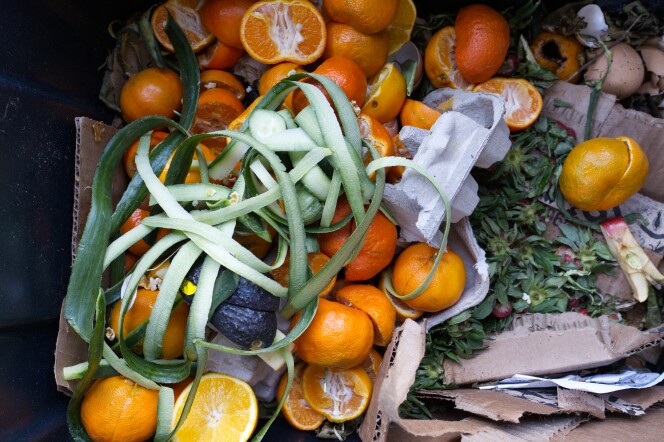 Ready to give up backyard composting because it's too difficult? It may surprise you to learn that prolific (and kind-of-cute) black soldier fly larvae could be the answer.Listen 3:58
 -
 Hear from fire survivors, read stories of resilience and and get helpful resources to mark the anniversary of the January 2025 L.A. fires.


Sponsored message
More Stories
-
Answering that question shows just how tricky it would be to drop meat altogether.

-
Shopping at local small businesses and for fair trade products can lessen your impact on people and the planet.

-
The fire is fully out but the cleanup is complicated and involves something known as "Gorilla-Snot."

-
"It's a trillion tons of ice," as one expert told NPR. Now the largest iceberg in the world, A23a, is on the move after decades of being grounded on the seafloor.

-
Without something to shoo them away, the seagulls at SoFi Stadium and YouTube Theater would be a nuisance and a danger to flights out of LAX.

-
New EPA rules require oil and gas companies to slash climate-changing methane from their operations.

-
The multi-million dollar Caltrans stormwater drainage upgrade will also help a salmon species swim to their habitat in the Santa Monica Mountains.

-
Today will be the coolest day for the next 7 days as a warming trend begins Saturday.

-
More than $90 million will be invested in building around 3,000 shelters across the city.

-
This year's United Nations climate summit is being held in the petroleum-dependent United Arab Emirates. Delegates began by approving a landmark fund to pay for climate losses.


