Double your impact on local news!
Audience-funded nonprofit news



Next Up:
0:00
0:00


-
Listen Listen

Aaron Schrank
Health & Housing Reporter
What I cover
I cover the impact of the housing crisis on public health in Southern California and how where you live affects your well-being. My coverage focuses on homelessness.
My background
I’ve been a public radio reporter and audio producer for more than a decade, reporting on homelessness, religion and other topics for local and national audiences.
My goals
I want to track how public officials spend taxpayer money and whether they deliver on their promises to the L.A. region, especially to unhoused people and working families.
Best way to reach me
Please reach out to me with story ideas, questions or feedback. You can email me at aschrank@laist.com or call or text by phone or through the Signal app at 602-515-1699.
-
The vote signals a major shift in homelessness oversight for the L.A. area, passing significant control of the region’s homelessness response to county officials.

-
Voters will decide whether to fund the Los Angeles Fire Department through a sales tax increase. Supporters say it would help undo "decades of underinvestment."

-
Voters will decide a charter amendment that forces the county and certain unions to go to arbitration if contract negotiations fall apart.

-
Hundreds of millions of dollars meant to serve unhoused Angelenos are on the line as government officials and a federal judge navigate a difficult transition.

-
The court decision Thursday is the latest in an ongoing fight over whether the L.A. region’s lead homeless services agency can access and direct federal dollars.

-
Federal changes starting in 2027 could impact 1 million L.A. County enrollees.

-
Candidates laid out competing visions on homelessness at mayoral forums this week

-
The move by the Los Angeles Homeless Services Authority comes amid criticism from the Trump administration and local leaders over mismanagement allegations.

-
L.A. Mayor Karen Bass announced a planned exit a week after LAist reported she skipped a majority of meetings for the region’s lead homeless services agency.

-
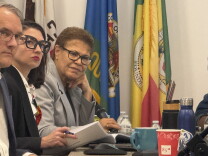
Bass is the first mayor to appoint herself to the commission that oversees the region's top homelessness agency. Her attendance record could trigger removal under the bylaws.
-
Thursday’s order comes a week after federal and regional homelessness officials faced off in court.

-
The fate of $240 million in federal funds to help people experiencing homelessness across L.A. County will soon be decided by a federal judge.


