




-
Listen Listen
Make It Make Sense
Casting your ballot is one thing. Unpacking what comes after Election Day is another.
Make It Make Sense is a limited-run newsletter that’s your lifeline after the polls close. Which state and local ballot measures passed? Which candidates won office? How are elected officials living up to their promises after getting elected? We’ll unpack the ballot count and results, then check in regularly on the officials voted into office and the measures passed by voters.
What to expect
After the Nov. 3 election, we'll keep tabs on election results and the ballot count. Expect one email a day for the week following Election Day, then two or three updates a week until all the results are final. We'll unpack which candidates won, which ballot measures passed or failed, and what will change for your life in Southern California. We'll wrap up the series by the end of November.
-
All eyes are on one billionaire’s spending for governor. A CalMatters analysis shows the story may lie in the millions spent by down-ballot candidates.

-
The law bans law enforcement from interfering in elections. It takes effect just in time for the June 2 primary.

-
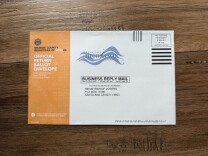
There are multiple ways to cast a ballot in the June 2 primary.
-
The California gubernatorial candidate and former representative in the U.S. House discusses government spending, oversight and more with AirTalk host Larry Mantle.

-
Pratt, a former reality TV star, is flooding social media with edgy humor and combative rhetoric as a way of grabbing attention and winning the vote of the very online.

-
Have you noticed long waits to get L.A. city streetlights fixed? Here's what to know about a vote on funding future repairs.

-
Republicans call their voter ID ballot measure ‘common sense’ to appeal to moderate voters, while alienating liberals with election conspiracy theories.

-
The court heard oral arguments Tuesday in Pasadena.

-
While many write-ins are already in, Tuesday is the deadline to be considered. The full list will be released to the public Friday.

-
this system is different from how most states handle their primary elections.


