Your gift is matched 3X today!





-
Listen Listen
Building Your Block
A newsletter course from LAist that explains the obstacles around housing development in L.A. and what you can do to make things better.
We know there’s a housing shortage in L.A., and it’s created major challenges for the region. But try to understand how to fix the problem and it gets murky, fast. We need more housing, but where can we actually build it? Why does it seem like all the new buildings going up are luxury apartments? Why isn’t there enough affordable housing? And most importantly: What can you actually do to support the housing you want to see in L.A.?
These are just some of the questions that Building Your Block will tackle in this seven-issue newsletter course.
Think of it as your starter guide to the conversations L.A. is having about housing development, plus we’ll bring you some real talk on what you can do to advocate for the housing future you want.
What can I expect?
Over seven issues, we’ll cover everything from how zoning rules determine what gets built and where, to why there’s so little affordable housing.
We’ll cap it all off with a long list of ideas you can put into action to influence housing decisions in your backyard, your city and beyond.
How often will you email me?
This newsletter has seven issues in total. Once you sign up, you’ll get one new issue a day until it’s done.
-
 Restrictive covenants kept neighborhoods white; such language is now illegall but California counties aren’t done removing it.
 -
 Supporters of Prop 1 say California desperately needs money make a dent in its homelessness and affordability crisis.
 -
 Helpful Housing says it’s provided homes for 10,000 people, but it’s accused of falsifying tax documents and tenant information.
 -
 The Boyle Heights Neighborhood Council voted to support an Arts District-led effort to implement such a zone along the sidewalks and perimeter of the future park.
 -
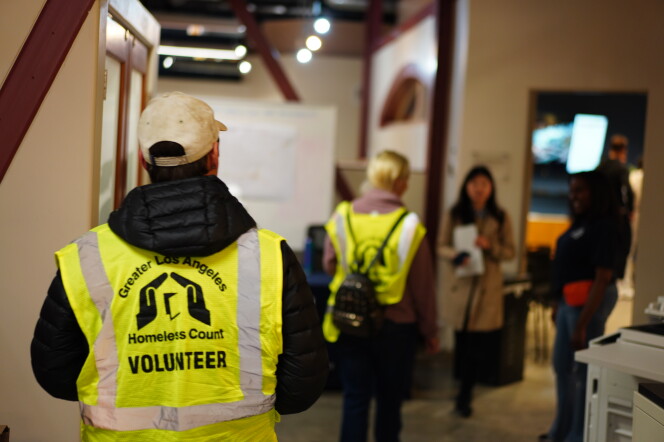 The vote signals a major shift in homelessness oversight for the L.A. area, passing significant control of the region’s homelessness response to county officials.
 -
 Community Space Food Bank says first-time visitors have surged as CalFresh benefits are reduced or lost. The food bank is now trying to raise $17,000 to stay open.


