Audience-funded nonprofit news



Next Up:
0:00
0:00


-
Listen Listen
Climate & Environment

Stax Engineering boats can suck nitrogen oxide directly out of ships' smokestacks, a key piece of the puzzle for reducing smog generated at the ports of L.A. and Long Beach.
Listen
4:03


Support your source for local news!
In case you missed it
-
 Now’s the time to take steps to protect your home from heavy rain, flooding and landslides that could come with this year’s potentially historic El Niño season.Listen 0:43
-
 El Niño’s signature heavy rains could make driving more risky than usual. Make sure your car is safe now, before extreme weather hits.Listen 0:43
-
 Person with ‘history of sleeping on the job’ held critical role during Eaton Fire, complaint allegesAn L.A. County employee makes the allegation in a whistleblower complaint and in interviews about the response to the deadly fire. County officials dispute the allegations.Listen 29:16


Sponsored message
More Stories
-
Scientists are finding that Western wildfires can have far-reaching impacts. If they're burning while Central U.S. thunderstorms are forming, the rain and hail can be dramatically more destructive.Listen 1:51

-
The James Webb Space Telescope has captured NASA's most detailed image of the Pillars of Creation that is helping scientists better understand how stars form.

-
Between 2003 and 2019, Californians reduced their carbon emissions by 65 million tons. Then came a terrible year for fires in the state.

-
With cities aiming to recycle more water amid drought, a waning workforce presents a challenge.

-
A decade ago, about 200,000 Californians lived in areas where they were exposed to extreme smoke. By 2020, 4.5 million did.

-
A new government report says there needs to be a more holistic strategy to climate funding.

-
The Coastal Commission unanimously approved a desalination plant for south Orange County.

-
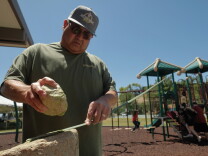
For millennia, the Serrano people relied on whipplei yucca. Now, the climate crisis is making it harder to find in the wild.
-
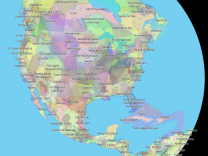
Native Land Digital, a Canadian nonprofit, offers resources for Indigenous and non-Indigenous people to learn more about the land and its history. It hopes its map will be just a part of that journey.
-
Culturally important plants are becoming harder to find in the wild.