




-
Listen Listen
-
Listen Listen
Building Your Block
A newsletter course from LAist that explains the obstacles around housing development in L.A. and what you can do to make things better.
We know there’s a housing shortage in L.A., and it’s created major challenges for the region. But try to understand how to fix the problem and it gets murky, fast. We need more housing, but where can we actually build it? Why does it seem like all the new buildings going up are luxury apartments? Why isn’t there enough affordable housing? And most importantly: What can you actually do to support the housing you want to see in L.A.?
These are just some of the questions that Building Your Block will tackle in this seven-issue newsletter course.
Think of it as your starter guide to the conversations L.A. is having about housing development, plus we’ll bring you some real talk on what you can do to advocate for the housing future you want.
What can I expect?
Over seven issues, we’ll cover everything from how zoning rules determine what gets built and where, to why there’s so little affordable housing.
We’ll cap it all off with a long list of ideas you can put into action to influence housing decisions in your backyard, your city and beyond.
How often will you email me?
This newsletter has seven issues in total. Once you sign up, you’ll get one new issue a day until it’s done.
-
 Bills moving through the California Legislature this year address state-funded sober housing, parked RVs and homelessness prevention.
 -
 The first model homes are expected to open next summer, according to city officials.
 -
 A Trump executive order pushes involuntary treatment for unhoused people; the VA denies that would include unhoused vets.
 -
 The Trump administration wants to shift more money to homeless shelters that require sobriety, a change that would disrupt California's "housing-first" policies.
 -
 The decision comes at a moment when Trump and some Republicans are split over what GOP priorities should be ahead of the midterm elections.
 -
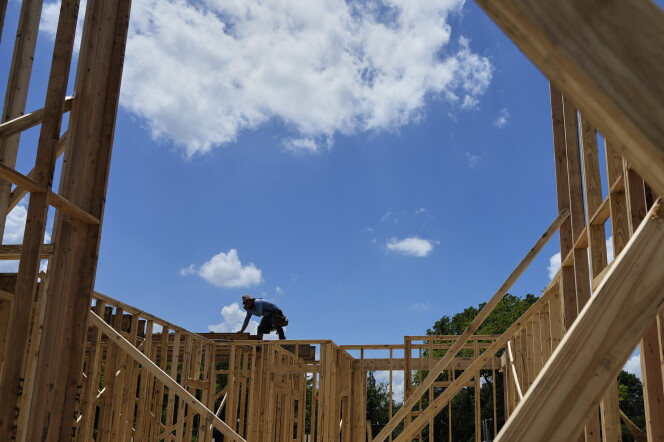 Bipartisan bill intended to bring down the cost of housing has passed both houses of Congress and is headed to the president's desk for a signature.


