




-
Listen Listen
Building Your Block
A newsletter course from LAist that explains the obstacles around housing development in L.A. and what you can do to make things better.
We know there’s a housing shortage in L.A., and it’s created major challenges for the region. But try to understand how to fix the problem and it gets murky, fast. We need more housing, but where can we actually build it? Why does it seem like all the new buildings going up are luxury apartments? Why isn’t there enough affordable housing? And most importantly: What can you actually do to support the housing you want to see in L.A.?
These are just some of the questions that Building Your Block will tackle in this seven-issue newsletter course.
Think of it as your starter guide to the conversations L.A. is having about housing development, plus we’ll bring you some real talk on what you can do to advocate for the housing future you want.
What can I expect?
Over seven issues, we’ll cover everything from how zoning rules determine what gets built and where, to why there’s so little affordable housing.
We’ll cap it all off with a long list of ideas you can put into action to influence housing decisions in your backyard, your city and beyond.
How often will you email me?
This newsletter has seven issues in total. Once you sign up, you’ll get one new issue a day until it’s done.
-
 Tenants facing large rent hikes cheered a City Council vote to acquire their building. But the landlord doesn’t want to sell.
 -
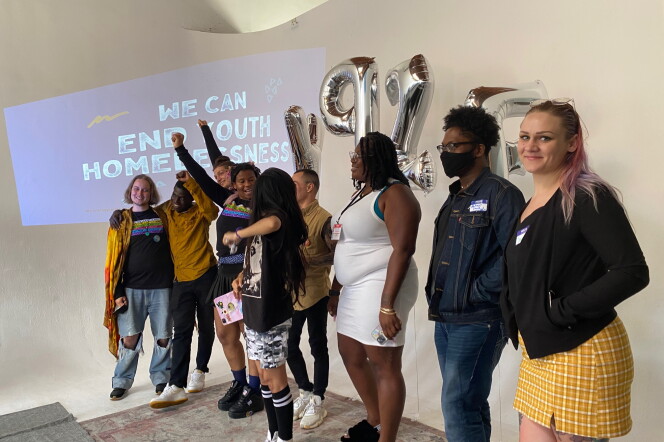 The Young People to the Front campaign brings together experts on homelessness and unhoused youth. They want the city to invest more into their needs.
 -
 People with lived experience are calling on officials to rethink their approach by providing a peek behind the curtain in the mind of an addict and common sense solutions.
 -
 Tenants at the Chesapeake apartments still deal with mold, pests and leaking sewage despite years of complaints and an LAist investigation exposing neglect.
 -
 The Los Angeles Homeless Services Authority (LAHSA) met with service providers, elected officials, government partners, and people with lived experience to make sure it is effectively addressing homelessness.
 -
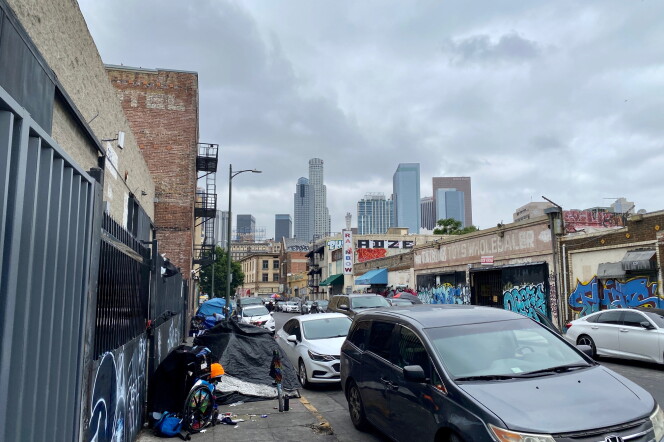 With more than 41,000 people sleeping on the city’s streets and an average of five people dying daily, Galperin said the city should implement his plan to use vacant lots.


