Audience-funded nonprofit news



Next Up:
0:00
0:00


-
Listen Listen
Health

An unvaccinated passenger passed through the station Sept. 12 before boarding a bus to Bakersfield, part of a trip that touched six California counties.


Sponsored message
More Stories
-
While cases are going up, the county is still below pre-pandemic levels.

-
The answer gets complicated the more local you get.

-
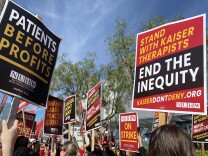
More than 100 Kaiser mental health workers picketed outside the HMO’s medical center on Sunset Boulevard demanding higher wages, more prep time.
-
Health insurers would be required to cover all recommended over-the-counter contraception products, such as birth control and condoms, without a prescription and at no cost, for those with insurance.

-
The strike is the second one in a little more than two years by California mental health workers at Kaiser Permanente. The last one lasted 10 weeks.

-
Some 2,400 Kaiser mental health workers say they’re ready to start picketing on Monday.

-
A strain of influenza appears to have disappeared from the planet since COVID. As a result, U.S. flu vaccines have been redesigned.

-
Larry Mantle spoke with gerontologist, Donna Benton, on AirTalk to get tips on how to care for an aging loved one.

-
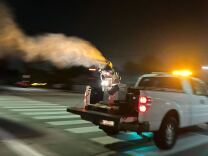
We rode along on a recent aerial spraying treatment in El Monte to get a sense of how officials are responding to the local outbreak in the San Gabriel Valley.
-
Over 11 million pounds of ready-to-eat meat and poultry were recalled over listeria concerns, affecting salads, wraps, frozen meals and more from popular chains like Target, Trader Joe's and Walmart.Listen 4:03

-
The strike would be the second one in a little more than two years by California mental health workers at Kaiser Permanente. The clock is ticking to avoid a walkout.

-
Doctors and health influencers are teaming up with the World Health Organization and TikTok to bring evidence-based health information to users


