Protect local news!





-
Listen Listen
El Niño 2026


What you need to know about El Niño
El Niño years can be associated with lots of rain in Southern California, though there's no guarantee of a deluge.
And wet winters aren’t always disastrous. What matters is how much water falls within how much time. In fact, going back to when modern records began in 1950, most of the years when we've seen the highest flood-related costs were not during El Niño events.
But there are concerns beyond rain for late 2026 and early 2027.
El Niño this time will coincide with another natural phenomenon — the highest tides of the year in a nearly two-decade cycle known as “the declination of the moon.” We’re reaching the max this winter, according to Scripps scientist Mark Merrifield.
Because El Niño warms the ocean, it also raises sea levels temporarily. On top of that there’s an unprecedented level of human-caused global warming in the mix — that has already raised sea levels by as much as a foot along California’s coast over the last century, and is making normal weather patterns more extreme.
“So we start adding these things up, and they're actually not so small anymore,” said climate scientist Daniel Swain. “The risk of coastal flooding is actually very high and almost guaranteed.”
It’s not only the coast — inland areas, especially along creeks and rivers, are also at risk due to more extreme rainfall driven by El Niño as well as human-caused global heating, Swain and other experts said.
-
 The weather pattern doesn’t guarantee flooding here, but now could be a good time to consider flood insurance, which is not included in most homeowners or renters policies.
 -
 Forecasters say there's a 90% chance of a strong El Niño in our region this year.


-
California has never penalized a dam owner for violating safety requirements, even as 57 dams sit in poor condition.

-
The drumbeat of monster hurricanes in the Pacific has broken a record for nasty long-lasting storms east of the international date line.

-
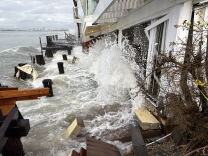
From Newport Beach to Malibu, residents are surveying damage to their homes after high tides and waves inundated coastal communities.
-
Damage from Tropical Storm Rachel could have been worse if peak swell, high tide and wind direction had lined up.

-
Long Beach is surrounded by a breakwater to protect its harbor, but the massive barrier hasn’t been able to shield homes on the city’s Peninsula from hurricane-charged swells.

-
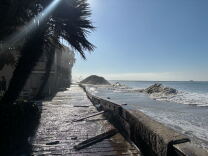
The extended heat wave wanes and rain arrives this weekend. Along the coast, waves and tides are causing flooding and other damage.
-
El Niño’s signature heavy rains could make driving more risky than usual. Make sure your car is safe now, before extreme weather hits.

-
Now’s the time to take steps to protect your home from heavy rain, flooding and landslides that could come with this year’s potentially historic El Niño season.

-
High swells are hitting Long Beach again, and weekend rain is on the way thanks to another hurricaneAfter weeks of stifling heat, Long Beach is preparing for a different kind of weather: powerful southerly swells, followed by rain showers as early as Saturday.

-
This year, federal forecasters say the planet could see the strongest El Niño event on record. Here's what you need to know.


